

The elements in astrology sort the twelve zodiac signs into four groups: Fire, Earth, Air and Water. Most people learn one element, the one attached to their Sun sign, and stop there. That is the wrong unit of measure. Your dominant element is whichever one most of your planets sit in, and it is often not your Sun’s. This guide explains what the four elements mean, how to find yours, and how they work in a chart.
Why your element matters for self-discovery
Each element represents a core style of energy. Fire signs bring action and passion, Earth signs ground us in reality, Air signs connect us through ideas and communication, and Water signs dive deep into emotions and intuition. Recognizing your element unlocks insights into your natural strengths and challenges, guiding personal growth. For example, understanding that you resonate most with an Earth element can explain your practicality and steady approach to life. At the same time, awareness of Water’s emotional flow sheds light on your inner sensitivities. This knowledge encourages acceptance and balance because embracing and working with your element’s energy improves self-awareness and emotional health.
Of the four, water is the one most people misread, so we counted the water element across 800 years of sky.
The four elements in astrology: Fire, Earth, Air and Water
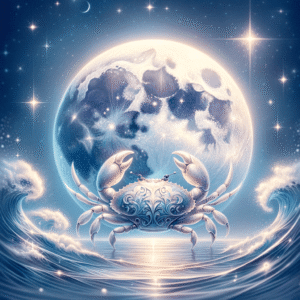
The Fire element includes Aries, Leo, and Sagittarius, known for enthusiasm, creativity, and leadership. Fire sparks motivation and tends to act before doubting, powering bold pursuits and inspiring others. Earth covers Taurus, Virgo, and Capricorn. It focuses on stability, patience, and tangible results. Earth grounds dreams into reality, favors discipline, and builds foundations carefully. Air incorporates Gemini, Libra, and Aquarius. It governs social connection, intellectual curiosity, and adaptability. Air thrives on exchanging ideas and mental stimulation, making relationships and communication its strength. Lastly, Water embraces Cancer, Scorpio, and Pisces. It governs feelings, empathy, and profound emotional understanding. Water offers emotional depth and intuitive awareness, encouraging compassion and healing.
The zodiac elements in practice: real-life examples
Consider a team project where each member brings a different element. A Fire person might lead with bold ideas and energy, driving momentum forwards. Earth individuals ensure that plans remain realistic and organized. Air members facilitate communication and brainstorm creative solutions. Water contributors focus on emotional wellness and group harmony, addressing tensions with empathy. In personal relationships, Fire elements may need excitement and space to express spontaneity, while Earth signs seek security and consistency. Air signs thrive on mental connection and lively conversations, and Water signs desire emotional closeness and trust. Recognizing these dynamics helps improve interaction, reduce misunderstandings, and enhance connection.
How to find your dominant element in astrology
Harnessing the 4 astrological elements requires self-reflection. Start by identifying your dominant element based on your Sun sign or where most of your chart’s planets cluster. Then, lean into its positive traits while acknowledging the less helpful habits it may bring. For example, Fire energy benefits from balancing impulsiveness with patience. Earth energy thrives when combining practicality with openness to new experiences. Air energy grows through grounding ideas in real action, and Water energy blossoms when expressing feelings constructively. Using element-based meditation, journaling, or creative projects can deepen your connection to these energies. Embrace each element’s gifts and challenges to nurture a more balanced and fulfilling life.
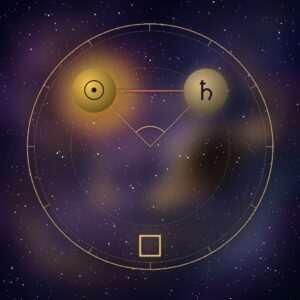
Three planets spread across one element can close a grand trine, a triangle found in about 1 birth chart in 12.
Common misconceptions about the elements in astrology
One frequent misconception is that the elements limit or define people rigidly. In reality, no single element tells the whole story, as everyone contains all four energies in various degrees within their chart. Another mistake considers one element better than the others, but each offers unique strengths equally valuable for different life areas. People also sometimes assume elements relate only to personality traits, but they influence motivation, decision-making styles, and emotional responses too. Lastly, some believe that knowing their element means instant mastery over life challenges. However, these energies require conscious awareness and practice to understand and balance effectively.
Questions to ask yourself about your elements
- Which element do I feel most connected to, and how does that show up in my daily life?
- How might I be limiting myself by ignoring the influence or lessons of other elements?
- In moments of stress, which element’s energy do I default to, and does it help or hinder me?
- How do the elements affect my relationships and communication style?
- What steps can I take to balance and consciously work with all four elements?
Frequently asked questions (FAQ)
Q: What is the strongest element in astrology?
A: None of them. Strength is measured by dignity, which is how well a planet sits in its own sign, not by element. A chart with no Fire is not a weaker chart.
Q: Can a person belong to more than one element?
A: Absolutely. Everyone has elements spread across their sun, moon, and rising signs, along with planetary placements. This mix shapes a unique energetic profile.
Q: How do the elements relate to astrology beyond the zodiac signs?
A: The elements also influence houses, aspects, and planetary energies, adding layers to interpretation and showing how energy flows in a birth chart.
Q: Are some elements more compatible in relationships than others?
A: Certain elements naturally complement or challenge each other, but successful relationships depend on balance, communication, and growth beyond elemental energies.
Glossary of key terms
- Element: One of the four fundamental energies (Fire, Earth, Air, Water) that categorize zodiac signs and influence personality and behavior.
- Modality: The quality that describes how signs express their element (cardinal, fixed, mutable).
- Sun sign: The zodiac sign where the Sun was at birth, often representing core personality traits.
- Birth chart: A celestial map of the planets’ positions at birth, revealing astrological influences on a person’s life.
- Compatibility: How well two individuals’ astrological profiles interact, including elements, signs, and planetary aspects.
Go deeper with your personal Astrovision report
Reading about astrological concepts is a great start, but nothing compares to hearing how they apply directly to you. Our users love our audio-first approach, calling it “friendly, personal, and easy to understand.” While this article gives you the “what,” a personal report gives you the “so what.” Discover your unique path with an Astrovision report—your personal ‘user manual’ delivered in our celebrated podcast format.