

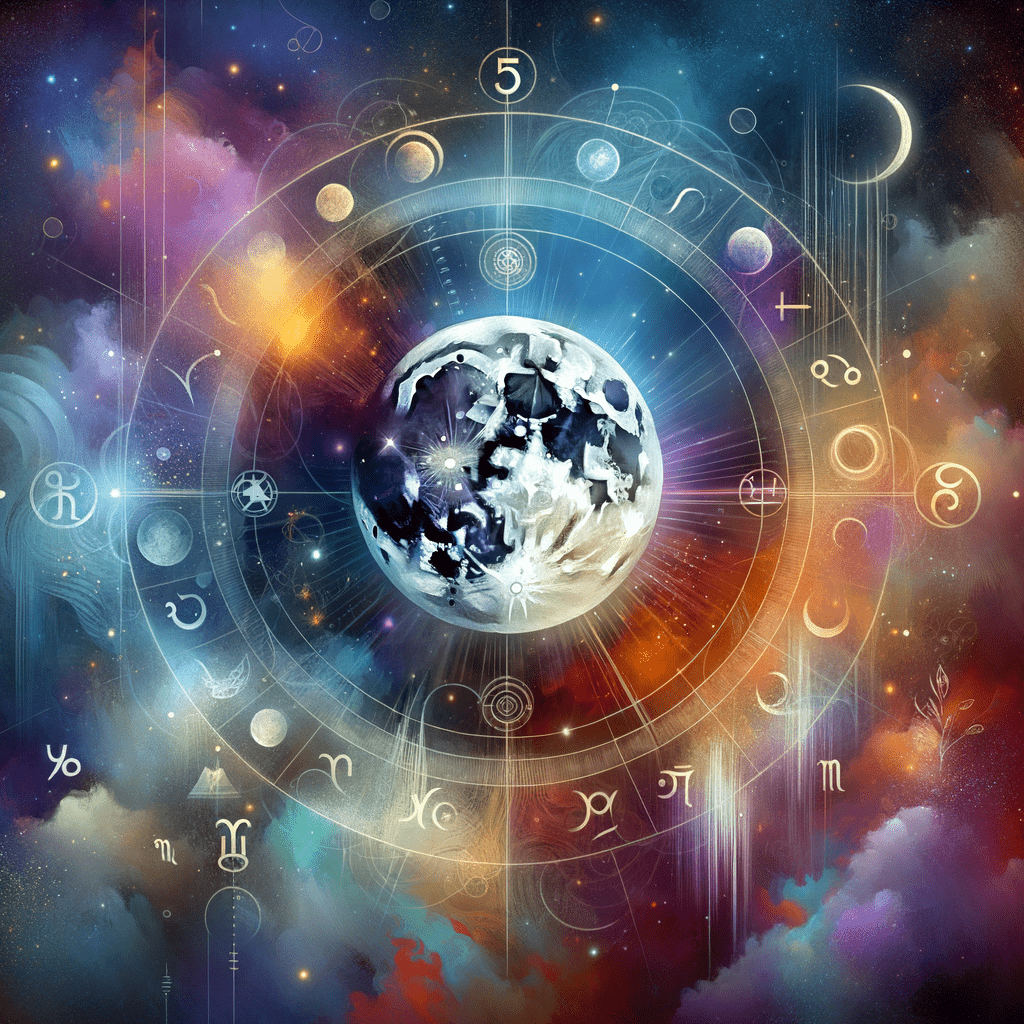
The Moon in the Fifth house brings a vivid emotional life into how you create, play, and love. In your natal chart, this placement ties instinctive needs to self-expression, romance, and joyful risk. In this article you will learn what this placement feels like, how it shapes personality and relationships, common challenges, sign-by-sign variations, and practical strategies to harness its creative power.
What the Moon in the Fifth house means
The fifth house governs play, creative output, dating, and children. The Moon represents feelings, habits, and emotional security. When the Moon sits here, feelings push you toward expression. You seek emotional safety through being seen, celebrated, or adored. You react strongly to applause and to criticism. Your imagination feeds your mood, and your mood fuels your art.
Three houses further on, the Moon in the 8th house turns the same need for safety toward what you share with others.
How Moon in the Fifth house shapes personality
You likely express warmth and spontaneity. You value fun and tend to bring a theatrical flair to everyday life. You show affection through gifts, playful teasing, or creative gestures. You crave feedback, so attention matters. You also hold tenderness for children and creative projects. At your best, you inspire others. At your worst, you may chase approval or perform to soothe fears.
The contrast is sharpest with Moon in the fourth house, which moves feeling into the home.
Moon in the Fifth house in relationships and romance
Romance feels emotional and dramatic with this placement. You love flirting and playful courtship. You look for partners who admire your creativity and who make you feel emotionally safe. You react to romantic setbacks with heightened sensitivity. When hurt, you may withdraw into sulks or grand gestures. Healthy love here needs honest communication and steady reassurance.
Moon in the Fifth house and creativity
Your creativity reacts to mood and environment. A bright room, warm praise, or a trusting partner will unlock your best ideas. You thrive in expressive outlets like acting, writing, music, or visual arts. You also find therapeutic value in play. Short creative bursts often serve you better than long, rigid routines. Structure helps, but spontaneity fuels your most authentic work.
How to work with emotional needs
Name your needs and request them clearly. Try short daily practices that anchor emotion, such as a five-minute creative warm-up. Share your creative process with trusted friends. Ask for specific feedback rather than broad praise. Balance seeking attention with cultivating self-validation. When you depend less on others for approval, your expression grows freer.
Common challenges and growth paths
You may depend on external approval. You might also over-identify with success or public attention. Mood shifts can stall projects. You might ignore routine in favor of inspiration. To grow, practice steady creative habits and small, regular goals. Learn to welcome quiet praise and private satisfaction. Over time, channel your need to be seen into community service, teaching, or mentoring.
Moon in the Fifth house in different signs
Aries: You act on impulse. You start projects with bold energy and need immediate emotional feedback.
Taurus: You prefer slow, sensual creation. You seek comfort in familiar creative forms.
Gemini: You experiment and play with ideas. You express feelings through words and short pieces.
Cancer: You nurture through art and care for others’ creativity. You feel deeply tied to childhood memories.
Leo: You love center-stage moments. You shine in performance and in romantic drama.
Virgo: You refine your craft. You find emotional safety in useful, detailed work.
Libra: You seek harmony and beauty. You connect through romance, partnership, and social creativity.
Scorpio: You dive deeply into intense, transformative expression. You protect your vulnerability.
Sagittarius: You explore freely and favor expansive, optimistic projects. You need room to take creative risks.
Capricorn: You build a lasting creative legacy. You structure your talents into visible achievements.
Aquarius: You innovate and collaborate. You feel seen through collective causes and experimental art.
Pisces: You channel dreams into art. You heal through symbolic, compassionate expression.
Practical rituals and creative exercises
Keep a brief mood-and-creation log to spot patterns. Schedule short sessions for play—ten to twenty minutes every day. Try improvisation to loosen perfectionism. Invite a friend to watch your work and offer one specific compliment. Use small, repeated public shares to build resilience. Celebrate small wins deliberately.
Frequently Asked Questions (FAQ)
Q: Does Moon in the Fifth house mean I must be an artist?
A: No. The placement asks you to express emotions creatively. You may do that through parenting, teaching, sports, or hobbies.
Q: How does Moon in the Fifth house affect parenting?
A: It often creates deep emotional investment in children. You show affection through play and may worry about their approval.
Q: Will the Moon in the Fifth house make me dramatic?
A: It can increase emotional reactivity and a flair for drama. Practice steadying routines to reduce extremes.
Q: How do transits to the Moon affect fifth-house themes?
A: Transits can amplify creativity and romance or highlight emotional blocks. Use these times for focused projects or honest conversations.
Q: Can therapy help with an attention-seeking pattern here?
A: Yes. Therapy can teach self-validation skills and healthier ways to meet emotional needs.
Q: What other placements complement Moon in the Fifth house?
A: Strong creative planets in the fifth, supportive aspects from Venus or Mercury, or a well-aspected Sun can amplify healthy expression.
Glossary of key terms
- Fifth house: The area of the chart linked to play, creativity, romance, and children.
- Moon: The planet that represents emotions, habits, and basic needs.
- Natal chart: A map of the sky at your birth showing planetary placements.
- Transit: A current planetary movement that interacts with your natal chart.
- Aspect: The angle between two planets that shows how they relate.
Go deeper with your personal Astrovision report
Reading about astrological concepts is a great start, but nothing compares to hearing how they apply directly to you. Our users love our audio-first approach, calling it “friendly, personal, and easy to understand.” While this article gives you the “what,” a personal report gives you the “so what.” Discover your unique path with an Astrovision report—your personal ‘user manual’ delivered in our celebrated podcast format.