


Tropical Zodiac Systems define a method that links the Sun’s position to the seasons, not to fixed stars. This system, called the tropical zodiac, divides the ecliptic into twelve equal signs anchored to the spring equinox. In this article you will learn what Tropical Zodiac Systems mean, how they differ from sidereal approaches, how they shape a natal chart, and practical ways to use them for personal insight. I will also clarify common misconceptions and offer clear steps to read your chart with confidence.
What are tropical zodiac systems?
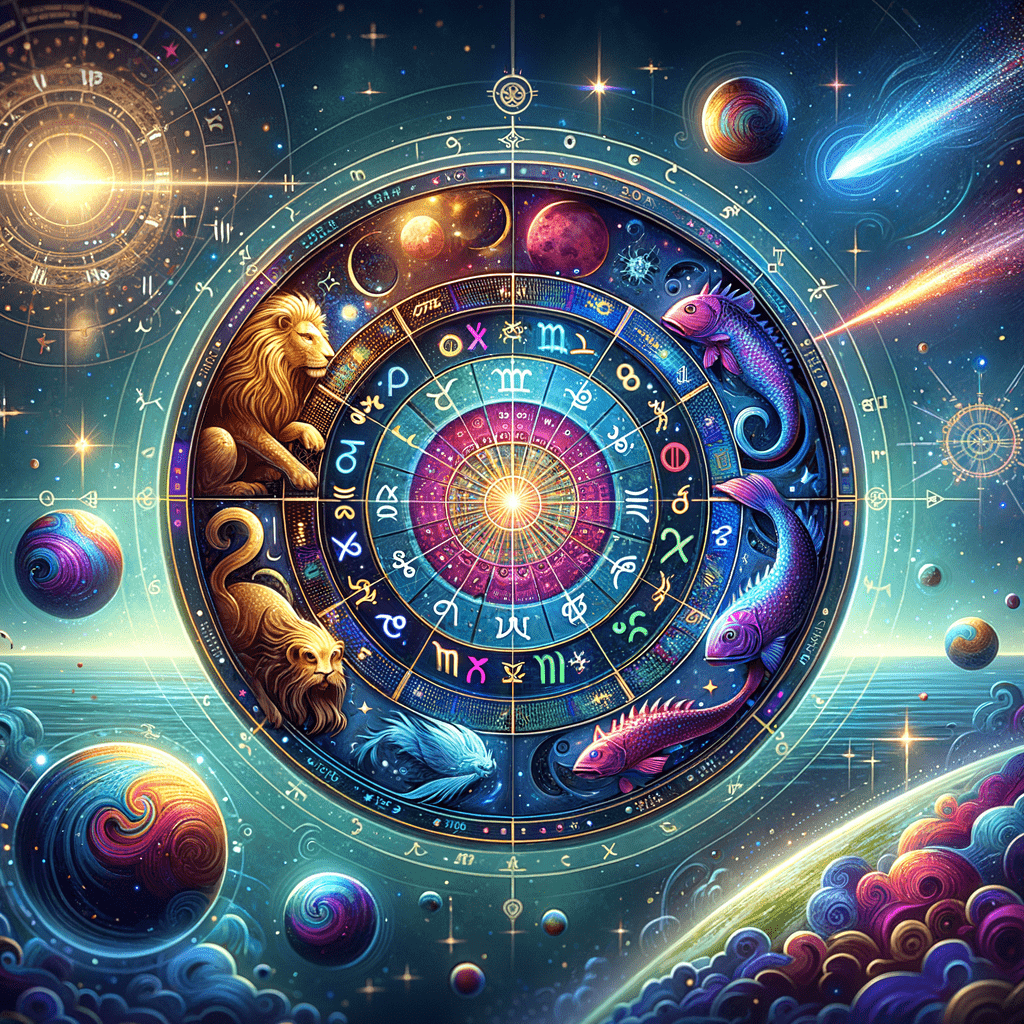
Tropical Zodiac Systems map the twelve zodiac signs to the cycle of seasons. They begin at 0° Aries, which aligns with the northern hemisphere spring equinox. Astrologers use that seasonal anchor to name the twelve signs and assign symbolic qualities. The tropical approach emphasizes psychological patterns and life cycles. It treats sign archetypes as roles the Sun and planets play in human development. This system focuses on solar placement relative to Earth’s seasons, so it reads well for personal timing and inner growth.
How tropical zodiac systems differ from sidereal astrology
The sidereal zodiac ties signs to fixed star positions. Tropical Zodiac Systems, in contrast, tie signs to seasonal points. Therefore tropical charts shift gradually relative to the constellations due to precession. For practical work, tropical charts highlight developmental stages and inner dynamics. Sidereal charts often highlight astronomical alignments. In short, tropical astrology reads human timing and psyche, while sidereal astrology emphasizes long-term stellar backdrop.
How tropical zodiac systems shape natal charts
When you cast a natal chart using Tropical Zodiac Systems, the zodiac wheel begins at the equinox point. That starting point sets the sign labels for every degree of the ecliptic. Planets then fall into signs and houses, shaping personality, drives, and life themes. For example, a Sun at 10° Taurus in a tropical chart emphasizes steadiness and sensory focus. Similarly, house placements reflect life areas where planetary energy expresses. Reading those placements together reveals patterns, strengths, and growth edges.
History and development of tropical zodiac systems
Early Greek and Hellenistic astrologers formalized the tropical approach by linking sign beginnings to seasonal markers. Later Western astrological traditions continued that practice, refining techniques for interpretation and prediction. Over centuries astrologers added house systems, aspects, and points to enrich readings. Modern psychological astrology further adapted the tropical method to explore identity, motivation, and healing. Today practitioners blend classical technique with modern insight to serve personal growth.
Core components: signs, houses, and planetary positions
The tropical chart combines three essential layers. First, the twelve signs describe temperament, drive, and style. Second, the twelve houses show life areas like career, relationships, and home. Third, planetary positions and aspects show how energy flows and conflicts arise. Together these layers form a map you can read for practical counsel. Start by identifying strong planets and repeating patterns. Then trace how those planets play across signs and houses to form a coherent narrative.
Common misconceptions about tropical zodiac systems
Many people assume tropical astrology matches the constellations exactly. It does not. Instead, it aligns signs to seasonal points. Another myth says tropical charts lack accuracy. On the contrary, they reliably reveal psychological timing and inner development. Some think tropical astrology predicts fixed fate. Modern practitioners reject fatalism and use the system as a tool for choice and growth. Finally, people often confuse sign labels with rigid labels; tropical charts invite nuance and evolution.
Using tropical frameworks in chart interpretation
Begin with the Sun, Moon, and rising sign to capture core identity, emotional needs, and persona. Next, note any stelliums or prominent planets that intensify themes. Then study major aspects to see how planetary needs cooperate or clash. For timing, use transits and progressions against the tropical natal wheel. Focus on themes rather than single indicators. This approach helps you translate symbolic patterns into concrete, actionable guidance.
Practical tips for reading your chart
Read the chart step-by-step and take notes. First, summarize the core three: Sun, Moon, and Ascendant. Second, identify two main drives and two main challenges. Third, create one short action item tied to the dominant planetary energy. For example, if Mars dominates, pick a project that channels intentional action. If Saturn dominates, plan a realistic discipline-based goal. Use the chart to set experiments, then reflect on results.
Frequently Asked Questions (FAQ)
Q: Are Tropical Zodiac Systems right for everyone?
A: They work well for people who want psychologically oriented readings tied to seasonal cycles. Many find them practical and personally meaningful.
Q: Do tropical charts change over time?
A: Yes. Transits, progressions, and solar returns show evolving patterns. The natal chart remains fixed, but timing techniques show change.
Q: Which house system does tropical astrology use?
A: Tropical Zodiac Systems work with many house systems. Placidus and whole sign houses remain common, and each offers different practical uses.
Q: Can tropical and sidereal charts both help me?
A: Absolutely. Some astrologers consult both perspectives to gain layered insight, using tropical views for psyche and sidereal views for astronomical context.
Q: Will tropical astrology predict exact events?
A: Tropical astrology suggests timing windows and psychological pressures. It rarely predicts exact events; instead it highlights trends and possibilities.
Glossary of key terms
- Tropical zodiac: A zodiac anchored to seasonal points rather than fixed stars.
- Natal chart: A snapshot of planetary positions at your birth used for interpretation.
- Ascendant (rising): The zodiac sign on the eastern horizon at birth; it shapes persona.
- Transit: A current planetary position moving across your natal chart, used for timing.
- Progression: A symbolic method that advances the natal chart to show inner timing.
- Stellium: A cluster of three or more planets in one sign or house that concentrates energy.
Go deeper with your personal Astrovision report
Reading about astrological concepts is a great start, but nothing compares to hearing how they apply directly to you. Our users love our audio-first approach, calling it “friendly, personal, and easy to understand.” While this article gives you the “what,” a personal report gives you the “so what.” Discover your unique path with an Astrovision report—your personal ‘user manual’ delivered in our celebrated podcast format.