

The Triplicity method gives you a practical way to read elemental rulerships in a chart and to weigh which elements hold sway for a person or an event. In this guide I define the Triplicity method, explain its rules, and show you how to apply it for personality insight, timing, and relationship dynamics. You will get clear examples, step-by-step instructions, and interpretive tips that work with modern psychological astrology.
What the Triplicity method is
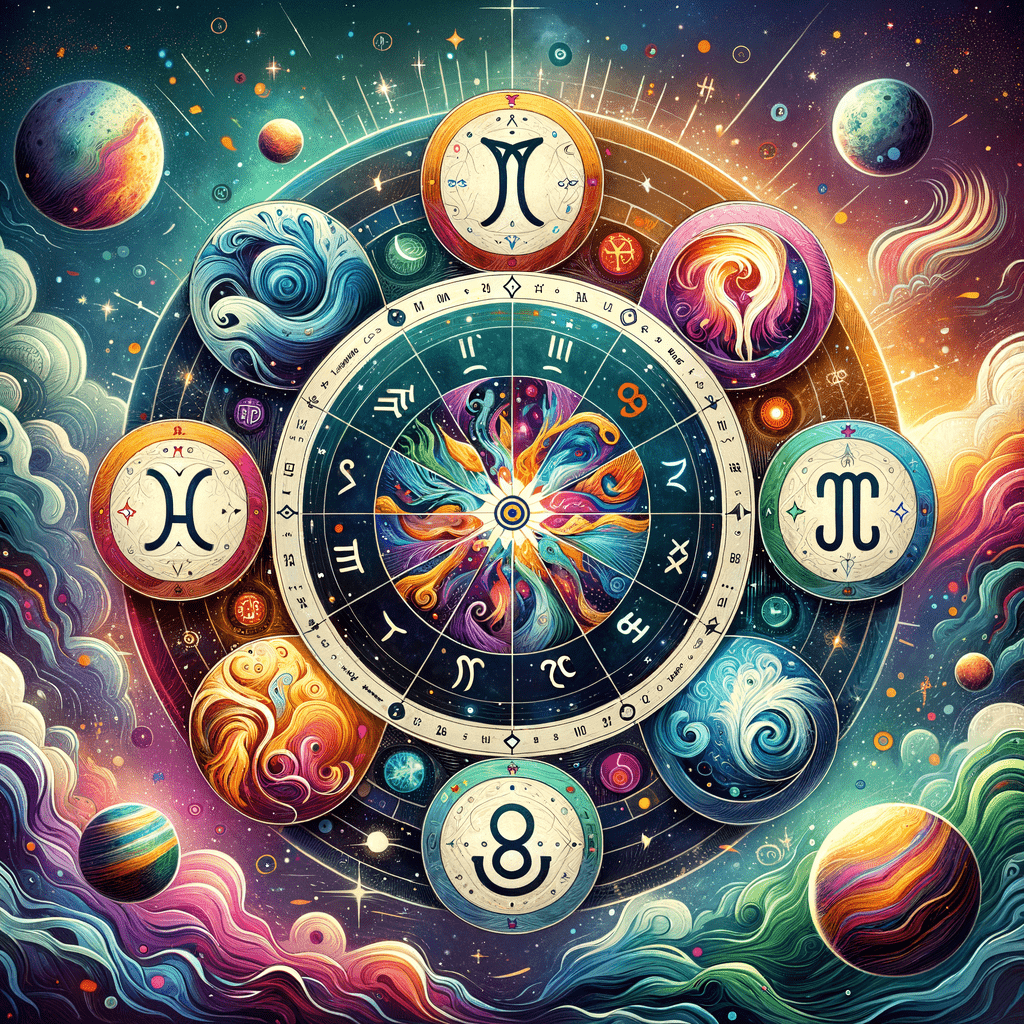
The Triplicity method groups zodiac signs by element: fire, earth, air, and water. Astrologers use these groupings to assign planetary rulers for day and night charts, and to add a layer of elemental weighting to interpretations. Triplicities highlight how someone instinctively responds to life, how they process emotion, and how they act on ideas. In practice, the Triplicity method complements house rulers and planetary dignity. It gives you a reliable, quick read on core temperament and on which energies will activate in different circumstances.
Triplicity method: a quick history
The Triplicity method originates in Hellenistic and medieval astrology but it stays useful today. Early astrologers developed it to refine judgments about timing and character. Modern practitioners adapted the method for psychological readings and predictive use. Today, therapists and coaches who use astrology value triplicities for their clarity and practical guidance. The method survives because it maps elemental dynamics, which people experience in everyday behavior.
How the Triplicity method works in a natal chart
Start by identifying the Sun sign and the chart’s day or night polarity. If the Sun appears above the horizon, astrologers call the chart a day chart. If the Sun sits below the horizon, listeners call it a night chart. Next, assign the triplicity rulers according to the chart’s polarity and element. Then, weigh those rulers alongside planetary placements and house positions. The strongest triplicity ruler often shows the element the person leans on under stress. For example, a person with a water triplicity dominant in their chart will rely on emotional processing and intuition. Use the Triplicity method to clarify conflicting signals, such as when a chart shows strong air placements but the triplicity points to earth resilience.
Triplicity method in predictive techniques
Use the Triplicity method in timing techniques like profections and solar returns. First, identify the active triplicity for the year or event. Then, check transits and progressions to the triplicity rulers. If a triplicity ruler receives strong activation, expect themes tied to that element to surface. For instance, activation of a fire triplicity often aligns with visible initiative, career moves, or bold choices. Activation of a water triplicity tends to coincide with emotional transitions, therapy, or deep inner work. Apply the Triplicity method alongside other timing tools for cleaner, more focused predictions.
Practical uses: personality, timing and compatibility
You can use triplicity rulerships to simplify complex charts. First, read which element appears strongest. Then, translate that element into behavior patterns. Fire signs suggest initiative and appetite for risk. Earth signs imply steadiness and practical focus. Air signs prioritize ideas and social connection. Water signs value feeling and depth. In relationships, compare each person’s dominant triplicity. Complementary triplicities can support balance, while identical triplicities may require conscious differentiation. For timing, use triplicity activation to predict when certain life themes will demand your attention. Finally, therapists can use it as a conversational map to help clients name habitual responses.
Step-by-step: apply the Triplicity method to a chart
- Identify the Sun sign and whether the chart is day or night.
- Locate the triplicity rulers for the Sun sign, using the day/night distinction.
- Note the house positions and dignity of those rulers.
- Check transits and progressions to any active triplicity ruler.
- Combine triplicity signals with house emphasis and major aspects.
- Draft an interpretation that ties element, ruler, and house together.
For example, if the chart is a night chart with a strong water triplicity and the triplicity ruler sits in the 4th house, emphasize emotional roots, family patterns, and private healing work. Use short, clear language when you present these findings to a client.
Common challenges and how to interpret tricky cases
Conflicting signals present the main challenge. For example, a chart can show dominant air placements while the Triplicity method points to earth. In such cases, treat the triplicity as the underlying coping style. Also, displacement of triplicity rulers to cadent houses complicates expression. When rulers sit in 12th or 6th houses, expect more internalized or service-oriented expression of that element. Retrograde rulers require nuanced judgment: they can indicate internalized energy or delayed expression. Finally, if a triplicity ruler suffers heavy hard aspects, expect friction and growth work rather than a simple trait expression. Always synthesize triplicity data with the whole chart.
Tips for integrating triplicity insights into everyday growth
Use triplicity language to make astrology actionable. First, name the dominant element and suggest daily practices that align with it. For fire dominance, recommend short, focused projects and physical activity. For earth, suggest routines and checklists. For air, encourage journaling and conversation. For water, propose reflective practices and creative expression. Second, create micro-goals that mirror the triplicity’s strengths. Third, re-check triplicity activation during significant transits to see when to push or when to pause. These small steps help clients translate an abstract insight into measurable change.
Frequently Asked Questions (FAQ)
Q: What exactly does “triplicity” mean?
A: Triplicity means the grouping of three zodiac signs under one element. Those groups—fire, earth, air, water—share an energetic family.
Q: Does the Triplicity method override other chart factors?
A: No. The Triplicity method adds a useful layer but works best when combined with house rulers and major aspects.
Q: How do I know if a chart is day or night?
A: A chart is a day chart when the Sun sits above the horizon (in houses 7–12). It is a night chart when the Sun sits below the horizon (in houses 1–6).
Q: Can triplicity change over time?
A: The natal triplicity remains constant, but transits and progressions can activate different triplicity rulers and shift emphasis.
Q: Is the Triplicity method useful in compatibility readings?
A: Yes. Comparing dominant triplicities helps clarify how two people handle emotion, communication, and action.
Glossary of key terms
- Triplicity: A group of three zodiac signs that share the same element.
- Triplicity ruler: The planet assigned to govern a triplicity for a given polarity (day or night).
- Day chart / night chart: Classification based on whether the Sun sits above or below the horizon.
- Elemental weighting: The relative emphasis of fire, earth, air, or water in a chart.
- Activation: Transit or progression that strongly influences a planet or ruler.
Go deeper with your personal Astrovision report
Reading about astrological concepts is a great start, but nothing compares to hearing how they apply directly to you. Our users love our audio-first approach, calling it “friendly, personal, and easy to understand.” While this article gives you the “what,” a personal report gives you the “so what.” Discover your unique path with an Astrovision report—your personal ‘user manual’ delivered in our celebrated podcast format.