

The planets in astrology form the backbone of any birth chart. They act as active symbols that describe drives, needs, and ways you meet the world. This article explains what each planet represents, how planets work together, and practical ways to use their energy for self-discovery. The Planets in Astrology appears throughout the text so you can connect the ideas to your own chart quickly.
Understanding the planets in astrology: a simple guide
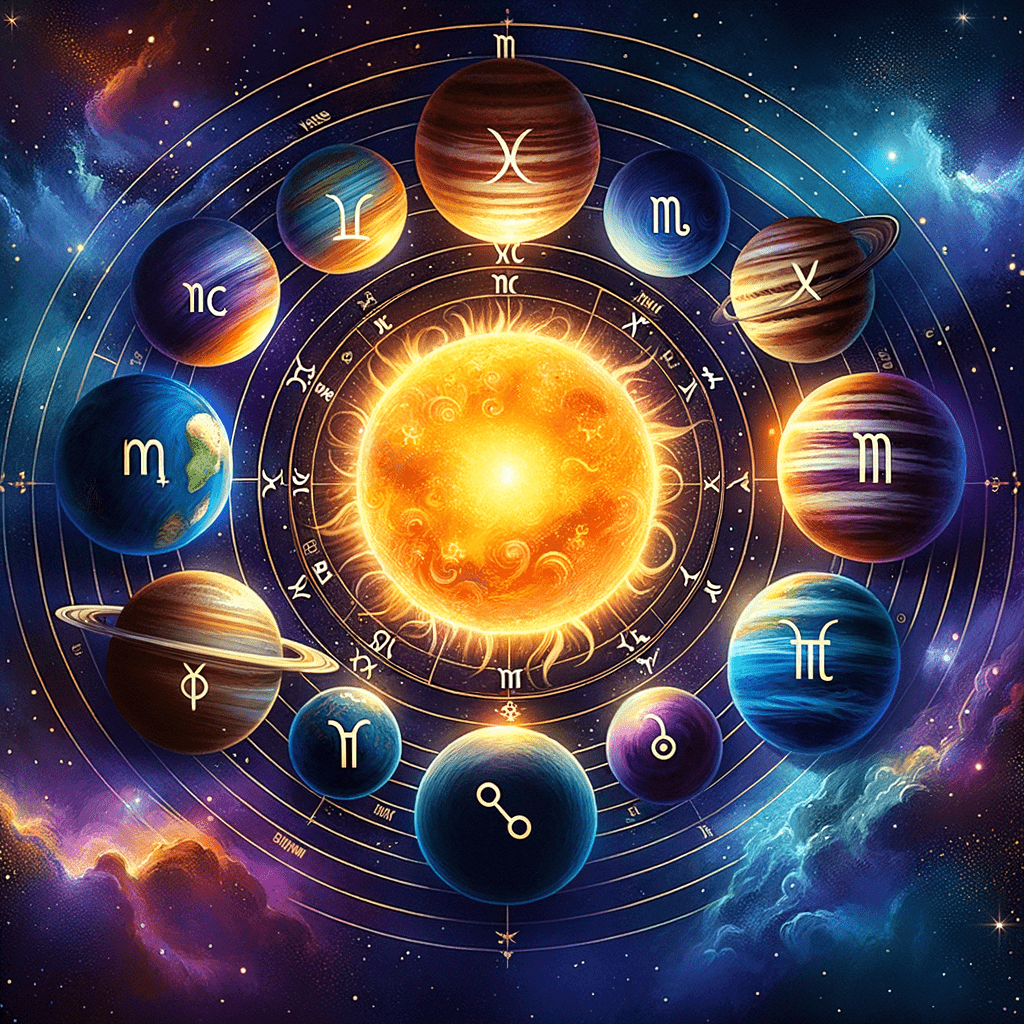
Planets serve as psychological actors in your chart. The Sun and Moon highlight identity and feeling. Mercury shows how you think and speak. Venus reveals values and attraction. Mars drives desire and will. Jupiter points to growth and meaning. Saturn brings structure and limits. Uranus sparks change and originality. Neptune fuels imagination and dissolution. Pluto demands transformation and depth. Inner planets shape daily life. Outer planets shape generational themes. Together, they create a layered personality map.
Why the planets in astrology matters for self-discovery
Working with planetary language clarifies patterns you repeat. First, you gain permission to notice habitual responses. Next, you can translate those responses into practical steps. For example, knowing Mars rules your action style helps you plan energy shifts. Also, seeing Saturn’s placement explains where you meet resistance. That awareness reduces self-blame and boosts agency. Use planets as tools, not labels.
The core components of the planets in astrology
Planets operate on three main levels. They represent personal drives, social roles, and collective currents. Each planet carries an archetypal theme you can map to life areas. Below are practical entry points to read a chart.
What each planet represents
Sun: core identity and purpose.
Moon: emotional needs and instinct.
Mercury: communication and thought.
Venus: desire, beauty, and values.
Mars: assertion, courage, and how you pursue goals.
Jupiter: expansion, belief, and opportunities.
Saturn: commitment, craft, and boundaries.
Uranus: originality, rebellion, and sudden change.
Neptune: imagination, empathy, and confusion.
Pluto: depth, power, and regeneration.
How planets interact in a chart
Planets form relationships called aspects. Conjunctions blend energies. Trines ease expression. Squares push for action. Oppositions invite balance. Reading aspects shows where energy flows or stalls. Use these patterns to design realistic growth plans.
Inner planets versus outer planets
Inner planets (Sun through Mars) highlight daily behavior and identity. Outer planets (Jupiter through Pluto) reflect broader cycles. Inner placements change how you show up each day. Outer placements shape long-term themes and cultural influence.
Tracking planetary motion and timing
Transits and progressions move planets across your natal chart. Transits trigger themes when they touch natal points. Progressions reflect internal development over time. Combining both gives a practical rhythm for planning and reflection.
The planets in astrology in practice: real-life examples
Imagine someone with Sun in Aries and Mars in Libra. They seek independence yet act through partnership. That mix produces a push-pull around decision-making. Another person may have Venus in Taurus and Saturn in Venus’s house. They value stability, but fear loss. In coaching, I translate placements into small experiments. Try one-week practices that align with planetary strengths. Track results and adjust.
How to work with the energy of the planets in astrology
Start with curiosity. Record your reactions for two weeks and note patterns around each planet’s theme. For instance, monitor communication habits to learn Mercury tendencies. Set micro-goals that honor planetary strengths. Use Mars energy for short, focused sprints. Allocate Neptune time for creative rest, not avoidance. Invite Jupiter through study or travel when growth feels stalled. Build a schedule that respects Saturn’s need for structure.
Common misconceptions about the planets in astrology
Astrology does not fix your fate. Planets describe tendencies, not prison cells. They do not predict specific events with certainty. Also, no single planet rules your whole life. Charts operate as systems. Avoid one-planet explanations. Finally, planetary positions do not imply moral value. They point to workable traits and challenges.
Questions to ask yourself about the planets in astrology
Which planet theme repeats in my life?
Where do I feel most energized this month?
What aspect of myself resists change?
Which planetary placement feels like a resource?
How can I design a small practice that matches a planet’s strength?
Frequently Asked Questions (FAQ)
What’s the difference between a planet and a house?
Planets show energy. Houses show life areas where that energy plays out.
Do the sun and moon count as planets?
Yes. In astrology, both serve as planetary points that shape personality.
How many planets matter most in a chart?
All planets matter. Focus first on Sun, Moon, Ascendant, and personal planets. Then widen to outer planets.
Glossary of key terms
Aspect: angular relationship between planets.
Transit: a planet’s current movement across your natal chart.
Natal chart: a map of planetary positions at your birth.
House: a life domain in the chart.
Archetype: a pattern or role that a planet symbolizes.
Go deeper with your personal Astrovision report
Reading about astrological concepts is a great start, but nothing compares to hearing how they apply directly to you. Our users love our audio-first approach, calling it “friendly, personal, and easy to understand.” While this article gives you the “what,” a personal report gives you the “so what.” Discover your unique path with an Astrovision report—your personal ‘user manual’ delivered in our celebrated podcast format.